Why Hotel Coffee Tables Need Different Specifications
A residential coffee table handles remote controls and coffee mugs. A hotel coffee table in a lobby or guest suite faces luggage impacts, cleaning chemicals, and constant rearrangement. Material selection is not aesthetic—it is a cost-per-year calculation. The right table should look current for 5-7 years and survive the entire cycle without refinishing.
Material Choices: Tempered Glass, Engineered Wood, Solid Wood, and Metal
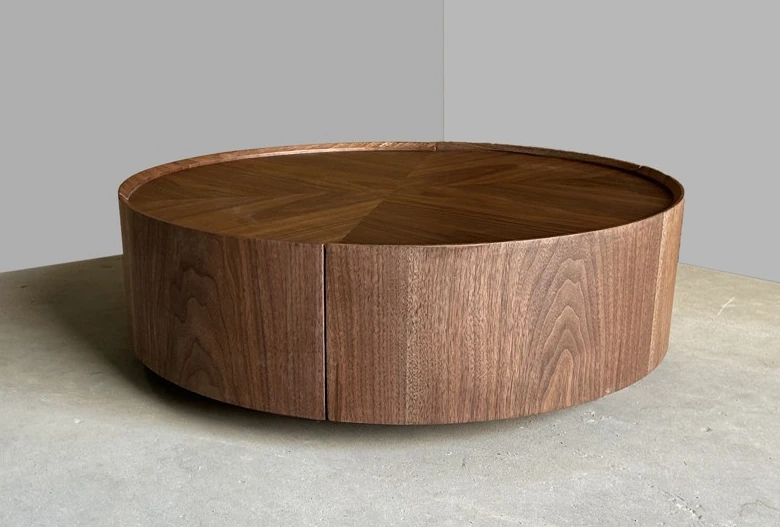
Tempered glass tops with powder-coated steel bases are the standard for modern hotel lobbies—easy to sanitize, scratch-resistant, and visually lightweight. Engineered wood with melamine or real-wood veneer offers a warmer look at mid-range pricing but requires edge-banding quality checks. Solid wood tables, particularly oak and walnut, deliver the longevity expected in luxury suites and boutique properties.
Surface Finishes That Survive Commercial Abuse
For veneered or solid wood surfaces, specify a UV-cured lacquer or a two-component polyurethane finish rated at 5+ on the Taber abrasion test. For metal surfaces, electrostatic powder coating in matte or satin finishes resists fingerprints and cleaning agents better than liquid paint. Avoid high-gloss finishes in hospitality—they show every smudge.
Procurement Checklist
- Surface material: tempered glass (8mm+), solid wood, or engineered wood with 0.5mm+ veneer
- Edge finish: furniture-grade PVC edge banding or solid-wood lipping (no raw MDF edges)
- Base: 1.5mm+ steel tube with adjustable leveling feet
- Finish: UV lacquer or powder coat, min Taber abrasion rating 5
- Size accuracy: confirm tolerance within ±3mm for modular lobby layouts
Browse our OEM coffee table collection or request a wholesale quote.
Coffee Table Buyer Checklist
- Overall size relative to the sofa and room
- Top material, thickness and edge treatment
- Base stability and floor protection
- Cleaning method and resistance to common spills
- Protective packing for glass, stone or finished surfaces
How to Document the Decision
Hospitality coffee tables should be selected for guest circulation, maintenance and replacement practicality as well as appearance. Confirm actual dimensions on the room plan and identify sharp-edge, tipping or fragile-surface risks during sample review.
Include quantities, destination, target schedule and inspection requirements in the RFQ. Review the commercial coffee tables or contact Baotian for a project-specific discussion.