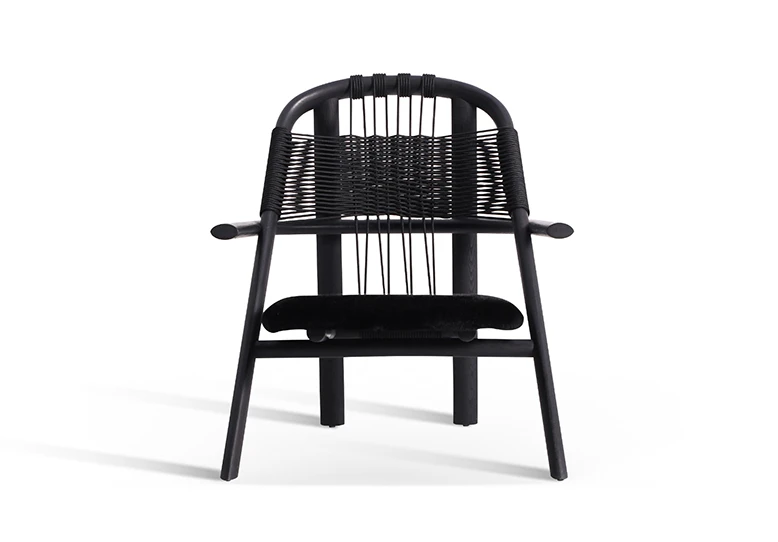
Arms Are the Most Used — and Most Overlooked — Part of an Accent Chair
Guests use chair arms to lower themselves, push up to standing, rest tablets and phones, balance drinks, and shift position. When hotel accent chair arms are too low, too narrow, or uncomfortable, guests notice immediately. For procurement, arm design is a comfort decision, an accessibility decision, and a durability decision in one specification.
Arm Height Standards for Commercial Use
Seat height on most hotel chairs is 42—46cm; arm height should be 18—22cm above the seat surface, giving a total height of 60—68cm from the floor. This range supports the natural resting position for most adults and provides leverage when standing. Lower arms may look sleek in photos but offer less assistance to older guests or anyone with reduced mobility. For hotel lobbies serving a broad demographic, stay closer to the upper end of the range.
Arm Shape Options
Rounded or rolled arms are the most forgiving for hotel use because there is no hard corner to bump. They work well on upholstered lounge chairs and classic wingback designs. Tapered or square arms look more architectural and suit modern lobbies, but the front corner should be softened with padding or a slight radius. Panel or track arms provide a clean vertical surface and are common in contemporary contract seating.
Upholstered vs Exposed Wood Arms
Fully upholstered arms feel warmer and hide wear better than exposed wood. They should use the same performance fabric as the seat with reinforced top-stitching along the arm cap, which is the highest-wear zone. Exposed wood arms finished in CV lacquer or stain are easier to wipe clean but show scratches and require periodic refinishing in high-traffic lobbies. Specify floor glides and arm caps if housekeeping uses cleaning carts that bump furniture regularly.
Armrest Width and Padding
A comfortable armrest width is 6—10cm for most lounge chairs. Narrower arms feel sharp; wider arms take up more floor area. The arm cap should have at least 1—2cm of high-density foam padding, and the upholstery should wrap smoothly around the top without visible staples. The arm front panel should be reinforced, as guests frequently grip it when moving the chair.
- Target arm height 18—22cm above seat height for broad demographic use
- Soften front corners on square or panel arms
- Match arm fabric and reinforcement to the seat upholstery
- Exposed wood arms need scuff-resistant finish and regular inspection
- Specify arm cap padding as a measurable thickness, not only visual
View Baotian accent chairs with arm style, height, and finish options for commercial hospitality.