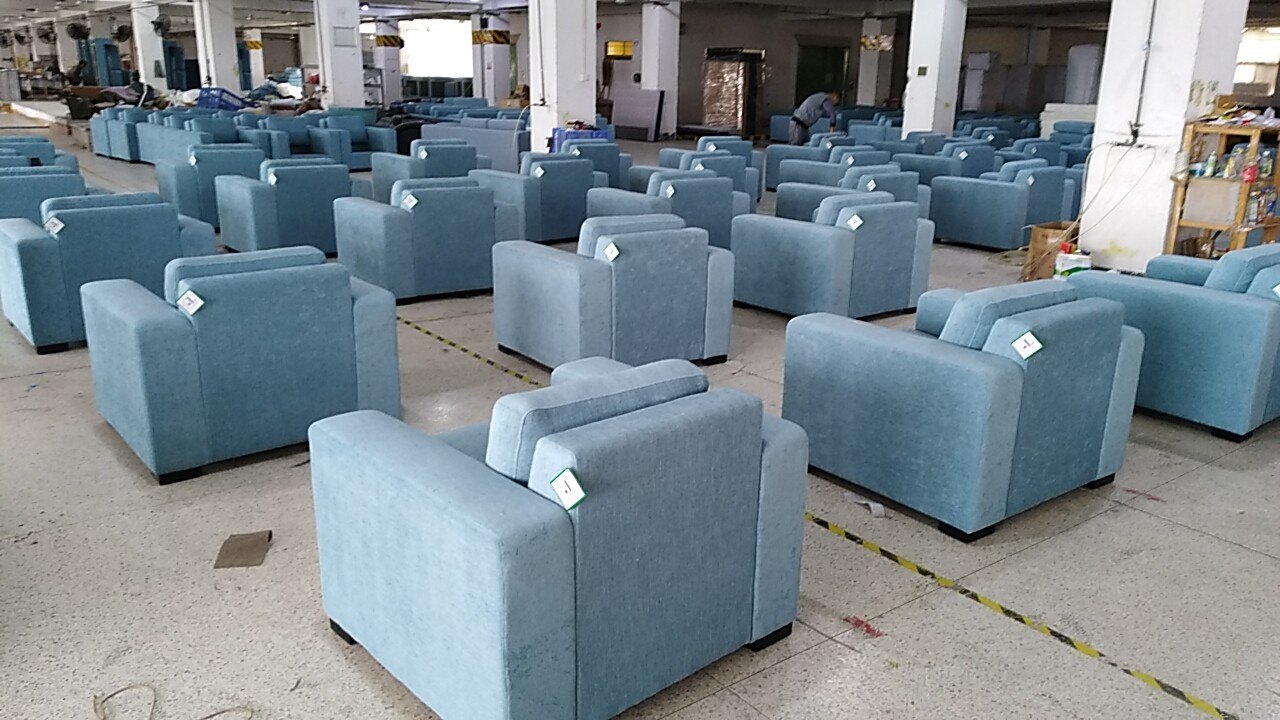
AQL sampling and 100 percent inspection answer different questions. Sampling estimates whether a lot is acceptable under an agreed plan; full inspection checks every unit but still depends on the inspector’s criteria and time. Neither method is automatically “better” for every hotel furniture order. The right choice depends on product risk, quantity, repeatability, budget and the consequences of a missed defect.
Define defects before choosing a sample
Classify defects as critical, major or minor only after describing what each means for the item. A structural instability, exposed sharp edge or missing safety component may require a different response from a small finish variation that is within the approved sample tolerance. Include photographs and measurable limits where possible.
| Plan | Useful when | Limitation |
|---|---|---|
| Full inspection | High-risk items, small lots, custom prototypes or a new supplier/process. | More time and cost; criteria must still be consistent. |
| AQL sampling | Repeatable production lots with a written standard and stable process. | A sample cannot prove every unit is defect-free. |
| Layered checks | Critical items need full checks while appearance uses sampling. | Requires a clear matrix and disciplined records. |
Write the acceptance plan into the purchase documents
Specify lot definition, inspection level, sample size or full-check scope, defect classifications, acceptance numbers, measurement tools, lighting, packaging condition and reinspection rules. State whether the inspector may open cartons and how corrected goods will be presented. Avoid adding an AQL number at the final inspection after production has already started.
Use production data to adjust risk
If repeated major defects are found in one process, increase in-process checks or hold the lot before final packing. If a supplier demonstrates stable output over several lots, sampling may become more efficient while critical safety or function checks remain mandatory. This is a quality-management decision, not a way to lower standards silently.
Document exceptions transparently
An accepted exception should identify the item, quantity, photo, impact, buyer approval and any remedy. “Passed with comments” is too vague for a multi-container project. The release pack should connect inspection results to item codes, packing lists and corrective-action evidence.
See the factory inspection checklist for related release controls.