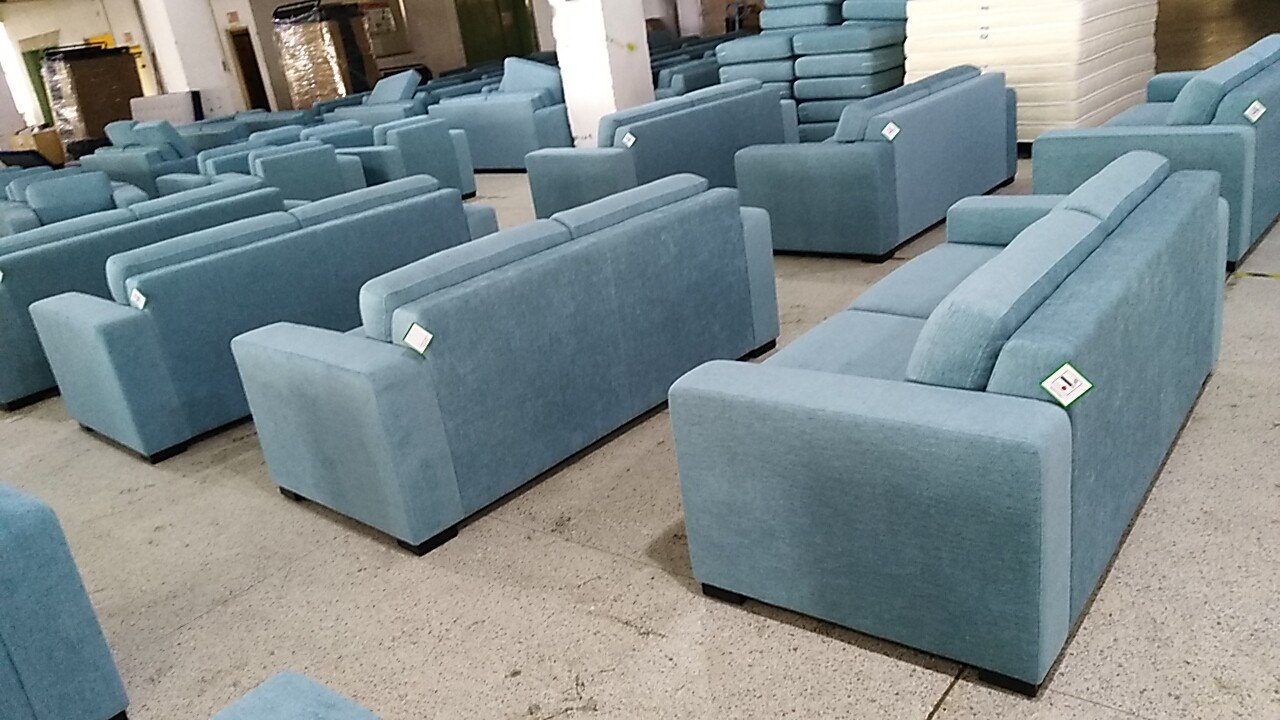
Final inspection cannot repair a project that was never clearly approved at the start. For hotel furniture, a dependable quality plan links the buyer’s approved drawings, finishes and samples to checks that take place before, during and after production. The purpose is not to promise a defect-free outcome; it is to detect non-conformities early, document decisions and make release criteria visible to everyone involved.
Build one controlled approval file
Before production starts, consolidate the signed drawing set, item schedule, finish references, upholstery swatches, hardware details, sample photos, labels, packing instructions and any applicable testing or documentation requirements. Give each item a clear reference code. When the factory, buyer and inspector work from different files, disagreement usually appears at final inspection—when correction is most expensive.
Check materials before they become furniture
Incoming checks should confirm that the selected fabric, timber or veneer, metal, foam, hardware and packaging materials match the approved references. For project-specific documentation, the file should identify which materials require declarations, test records or traceability information. Any proposed substitution should be held for written approval before it enters the production line.
Inspect critical points during production
| Production stage | Examples of checks |
|---|---|
| Frame and structure | Dimensions, joint construction, fixing locations, sharp edges and stability |
| Upholstery | Fabric direction, seam alignment, tension, cushion shape, piping and visible staple control |
| Casegoods and finishes | Colour match, grain direction, surface defects, edge treatment, drawer/door operation and hardware alignment |
| Pre-packing | Item code, function check, cleanliness, accessories, protection points and label placement |
Define the final inspection method in advance
The buyer should decide whether to use a full inspection, a defined sampling plan or an appointed third-party procedure. Record the lot size, the item list, the dimensions to be checked, the defect classifications, photography requirements and the process for re-inspection after corrective action. If an AQL-based method is specified, agree the standard, inspection level and acceptance criteria before the inspection date rather than negotiating them beside a container.
Include packing and loading in the release decision
Furniture can leave the factory in good condition and still be damaged in transit if protection, carton marking, palletization or container blocking is inadequate. Verify corner protection, moisture precautions where applicable, carton labels, accessory packs, loading sequence and container condition. Photographic loading records and a clear packing list provide useful traceability after dispatch.
Close the loop with corrective actions
When an issue is found, record the item code, description, quantity, location, photo, root cause, corrective action and re-check result. A useful report distinguishes a corrected issue from an unresolved exception approved by the buyer. This makes the final release decision auditable and gives the next production run a better reference.
Editorial note
This is an operational inspection framework, not a substitute for a contract, test report or independent inspection service. Requirements should be tailored to the furniture type, destination and buyer’s acceptance plan. Learn more about Baotian’s quality-control workflow.
Related Furniture Procurement Resources
Use these resources to turn the article topic into a clear product specification, supplier review or project quotation.