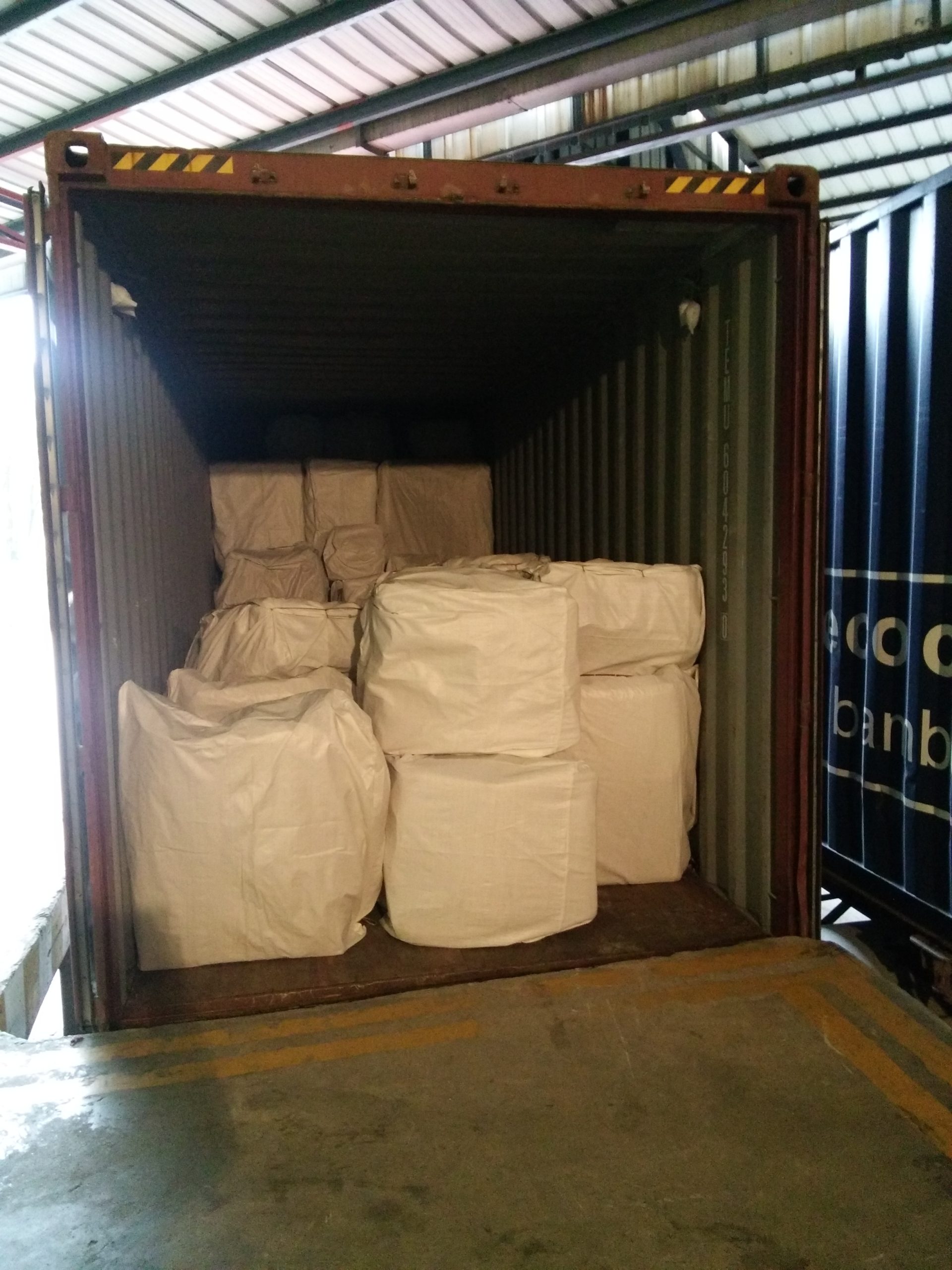
Container loading is a controlled handover between factory production and international transport. For hospitality furniture, the loading plan must protect finished surfaces, preserve item identification and enable the receiving team to reconcile the shipment. It should be prepared before loading day—not reconstructed after a container has left the factory.
Verify the shipment before the container arrives
Reconcile the final packing list against the approved item schedule. Confirm item codes, carton counts, gross and net weights where required, carton dimensions, accessory packs and any split shipment. If an item is still awaiting correction or replacement, identify it clearly and decide whether it will be held, shipped separately or documented as an agreed exception.
Inspect the container as a product-protection tool
Before loading, inspect the container’s floor, walls, roof, doors, seals, odor and visible moisture or damage. The aim is to confirm that the container is clean, dry, structurally sound and suitable for the planned load. Photograph the empty container and record the container number before the first carton is placed inside.
Load by a written sequence
A loading plan should indicate which cartons go first, which large items require special support, how fragile surfaces are protected and which cartons need accessible placement for unloading. Avoid placing heavy cartons on delicate upholstered items or unsupported furniture edges. Use the agreed blocking, bracing and protection materials so cartons cannot shift significantly during handling and sea transit.
| Check | Purpose |
|---|---|
| Carton label and item code | Allows receiving staff to match goods to the packing list and room schedule |
| Corner and surface protection | Reduces risk of pressure marks, abrasion and impact damage |
| Load distribution | Helps prevent crushing, shifting and unsafe unloading conditions |
| Photo record | Creates a traceable loading sequence and condition record |
| Seal record | Connects the final load to shipping documentation |
Include mattresses and upholstered furniture in the risk review
Mattresses, sofa beds, sofas and loose cushions require clean protective wrapping and should be shielded from rough carton edges, moisture risk and compression outside the approved packing design. Do not assume that a wrapped item can be loaded beneath heavier goods. The final packing method should match the product construction, storage duration and route conditions.
Prepare documents for the receiving team
The receiving team benefits from a final packing list, container number and seal number, carton markings, loading photographs and any assembly or care instructions. Where the contract requires material, testing or quality documents, list those separately from commercial shipping paperwork so they are not overlooked at handover.
Editorial note
This guide reflects practical container-loading controls used for export furniture projects. It does not replace freight-forwarder instructions, marine insurance terms or destination import requirements. For a fuller overview, see our furniture packaging and container-loading guidance.
Preparing an export order? Send the item list, destination and packing constraints through our project enquiry form.
Related Furniture Procurement Resources
Use these resources to turn the article topic into a clear product specification, supplier review or project quotation.