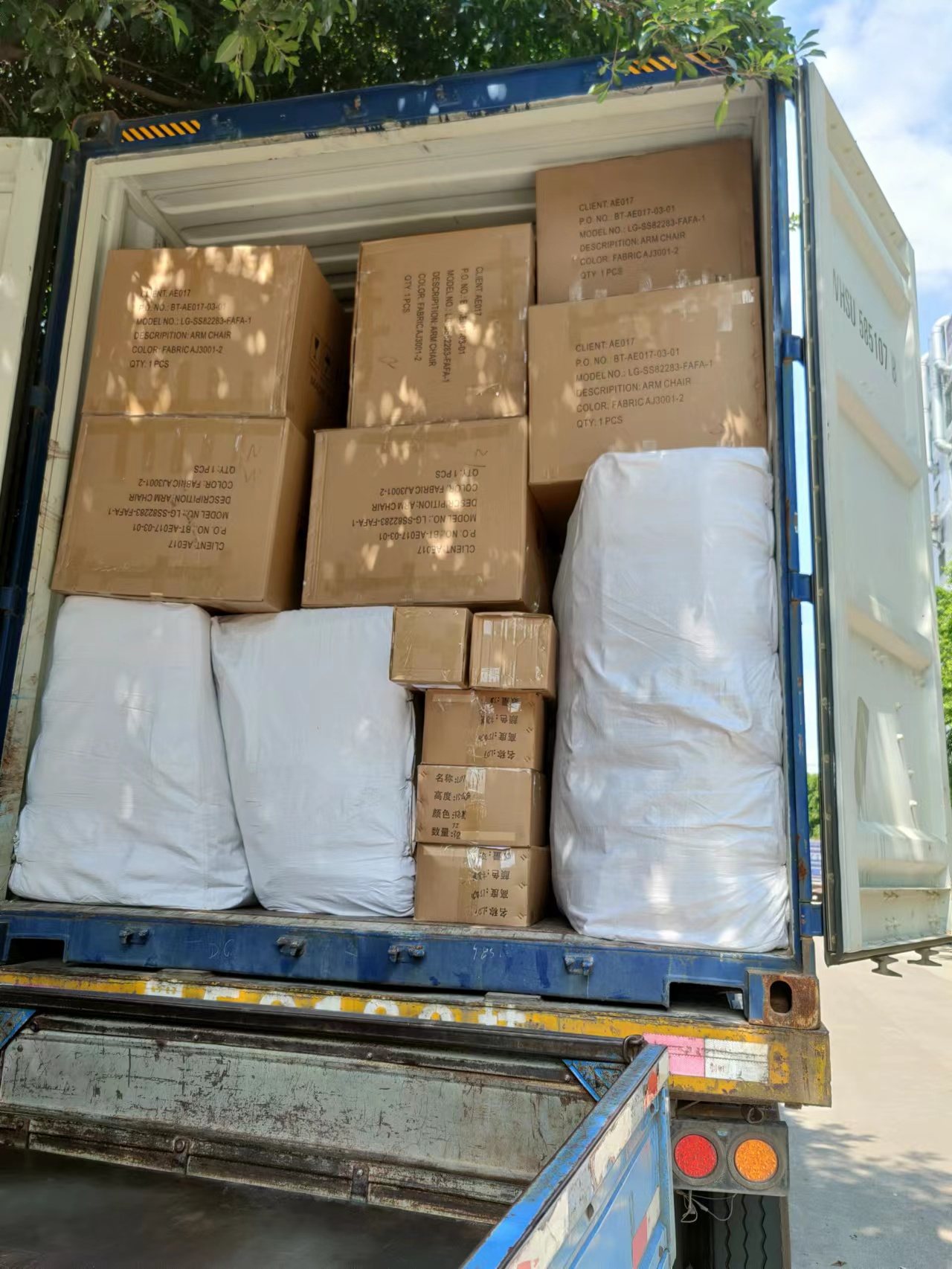
Packaging performance can be specified before production; mixed hotel loads require different protection for weight, edges and moisture.
Primary procurement topic: hotel furniture packaging drop test. This guide is for hotel owners, designers, FF&E teams, purchasing agents and operators.
Define the procurement requirement
Classify fragile zones, packed weight, dimensions, load direction, stack limit and handling method.
- Scope, evidence and responsible owner
- Approval date, revision and acceptance criterion
- Production, loading or handover release condition
Confirm specifications and evidence
Record package configuration, test or first-article method, orientation, acceptance criteria and damage responsibility.
- Scope, evidence and responsible owner
- Approval date, revision and acceptance criterion
- Production, loading or handover release condition
Release production and handover
Before loading confirm carton count, packed CBM, labels, inspection status, photos and container seal.
- Scope, evidence and responsible owner
- Approval date, revision and acceptance criterion
- Production, loading or handover release condition
Buyer decision record
| Field | Record |
|---|---|
| Scope | Room/area, item code, quantity and revision |
| Evidence | Drawing, sample, document or inspection record |
| Release | Condition before production, loading or handover |
Questions to ask the supplier
- Which quotation assumptions still need confirmation?
- What exact document or sample governs production?
- How are changes and nonconforming items recorded?
Request a hotel project review
Send your room schedule, product list, drawings, finish references, target quantity, destination and delivery window.
Submit a hotel furniture RFQ to Baotian Furniture
How to apply this on a live hotel project
A packaging review should happen before mass production, when corner protection, carton size and separators can still change. Photograph the package before and after a first-article handling trial, then inspect upholstery, veneer, glass and hardware separately. Include moisture protection and warehouse storage assumptions for long routes. The loading report should identify the carton count, fragile zones, seal number and who must be notified if damage is found at destination.
Evidence to keep with the RFQ
- Current drawing, item schedule and revision register
- Approved sample, finish/material reference and applicable document
- Named decision owner, date and open-issue status
- Inspection, packing, delivery or handover record
Practical RFQ example
Ask the supplier to return the requirement as an itemized schedule rather than a generic promise. For each line, record the application, quantity, approved material or finish, measurable acceptance point, evidence required and the person who releases the next stage. If the project has several room types or public areas, keep the variants separate so a change in one area does not silently change the whole order.
Use this article with the furniture shipping and packaging guide and keep both references in the project file. A useful response should identify assumptions, exclusions, lead-time triggers and the next sample or inspection gate. If the supplier cannot answer a field, mark it as an open decision before comparing prices. This creates a record that the designer, operator, factory and purchasing team can review together.
Related Furniture Procurement Resources
Use these resources to turn the article topic into a clear product specification, supplier review or project quotation.