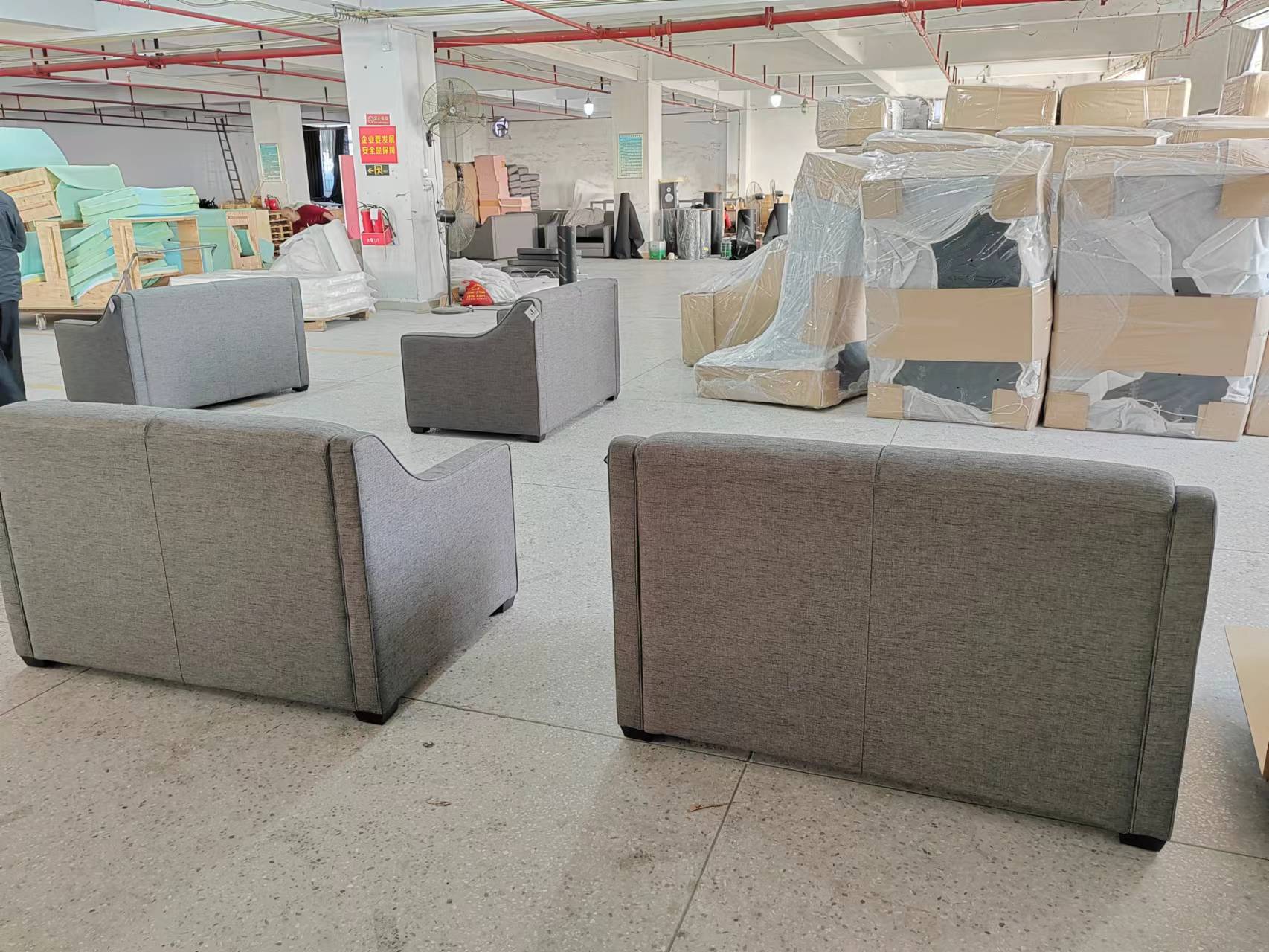
A hotel lobby needs a seating mix for waiting, work, social use and circulation, not only an attractive sofa.
Primary procurement topic: hotel lobby seating procurement. This guide is for hotel owners, designers, FF&E teams, purchasing agents and operators.
Define the procurement requirement
Map activities, luggage paths, housekeeping access and accessible routes before assigning seating types.
- Scope, evidence and responsible owner
- Approval date, revision and acceptance criterion
- Production, loading or handover release condition
Confirm specifications and evidence
Specify seat dimensions, arm/table relationships, moveable or anchored pieces, upholstery cleaning and replacement.
- Scope, evidence and responsible owner
- Approval date, revision and acceptance criterion
- Production, loading or handover release condition
Release production and handover
Approve a representative setting under project lighting and record layout, dimensions, finish and installation notes.
- Scope, evidence and responsible owner
- Approval date, revision and acceptance criterion
- Production, loading or handover release condition
Buyer decision record
| Field | Record |
|---|---|
| Scope | Room/area, item code, quantity and revision |
| Evidence | Drawing, sample, document or inspection record |
| Release | Condition before production, loading or handover |
Questions to ask the supplier
- Which quotation assumptions still need confirmation?
- What exact document or sample governs production?
- How are changes and nonconforming items recorded?
Request a hotel project review
Send your room schedule, product list, drawings, finish references, target quantity, destination and delivery window.
Submit a hotel furniture RFQ to Baotian Furniture
How to apply this on a live hotel project
Ask the designer to test the furniture mix at peak arrival, meeting and housekeeping conditions. Seat depth, arm height, table position and circulation can feel different when luggage, strollers or service carts are present. A supplier should return dimensions and material assumptions for each seating type, then show how the selected upholstery will be cleaned and replaced. Approve the setting with the actual finish samples rather than a rendering alone.
Evidence to keep with the RFQ
- Current drawing, item schedule and revision register
- Approved sample, finish/material reference and applicable document
- Named decision owner, date and open-issue status
- Inspection, packing, delivery or handover record
Practical RFQ example
Ask the supplier to return the requirement as an itemized schedule rather than a generic promise. For each line, record the application, quantity, approved material or finish, measurable acceptance point, evidence required and the person who releases the next stage. If the project has several room types or public areas, keep the variants separate so a change in one area does not silently change the whole order.
Use this article with the commercial sofa collection and keep both references in the project file. A useful response should identify assumptions, exclusions, lead-time triggers and the next sample or inspection gate. If the supplier cannot answer a field, mark it as an open decision before comparing prices. This creates a record that the designer, operator, factory and purchasing team can review together.
Related Furniture Procurement Resources
Use these resources to turn the article topic into a clear product specification, supplier review or project quotation.