The Leg System Determines Long-Term Stability
Hotel accent chairs often fail at the leg connection before the upholstery or seat cushion wears out. Guests drop into chairs, drag them across floors, lean sideways while using phones, and push on arms to stand up. That repeated force concentrates at the leg-to-frame joint. For buyers, selecting the right leg material and attachment method is a structural decision as much as a design decision.
Solid Wood Legs: Warm Look, Strict Moisture Control
Beech, ash, oak, and rubberwood legs are common on lounge and guestroom accent chairs. They work well when the property wants a warmer residential feel. The key specification is moisture content: kiln-dried wood should remain around 8–12% before finishing. Wood legs with higher moisture content may shrink or twist after entering air-conditioned hotel rooms, causing wobble or visible gaps at the frame.
For commercial use, wood legs should be bolted into threaded inserts or metal plates, not simply screwed into the frame. The bottom should include replaceable nylon or felt glides to protect stone, tile, and wood floors. If the project uses housekeeping carts or frequent furniture movement, specify a darker stain or painted finish that hides scuffs better than pale natural wood.
Metal Legs: Best for High-Traffic Public Areas
Powder-coated steel legs are the strongest and most cost-effective choice for lobby seating, airport lounges, and serviced apartments. Steel resists bending under dynamic load and can be welded into slim profiles that still carry weight. Specify welded joints, minimum 1.2–1.5mm wall thickness for tubular legs, and a polyester powder coating with good scratch resistance.
Stainless steel legs cost more but offer better corrosion resistance and a premium look. They suit humid coastal markets and luxury hotels where polished or brushed metal detailing is part of the design language. Aluminum legs reduce weight, useful for banquet or flexible lounge spaces, but they require thicker profiles to match steel strength.
Swivel and Return Bases
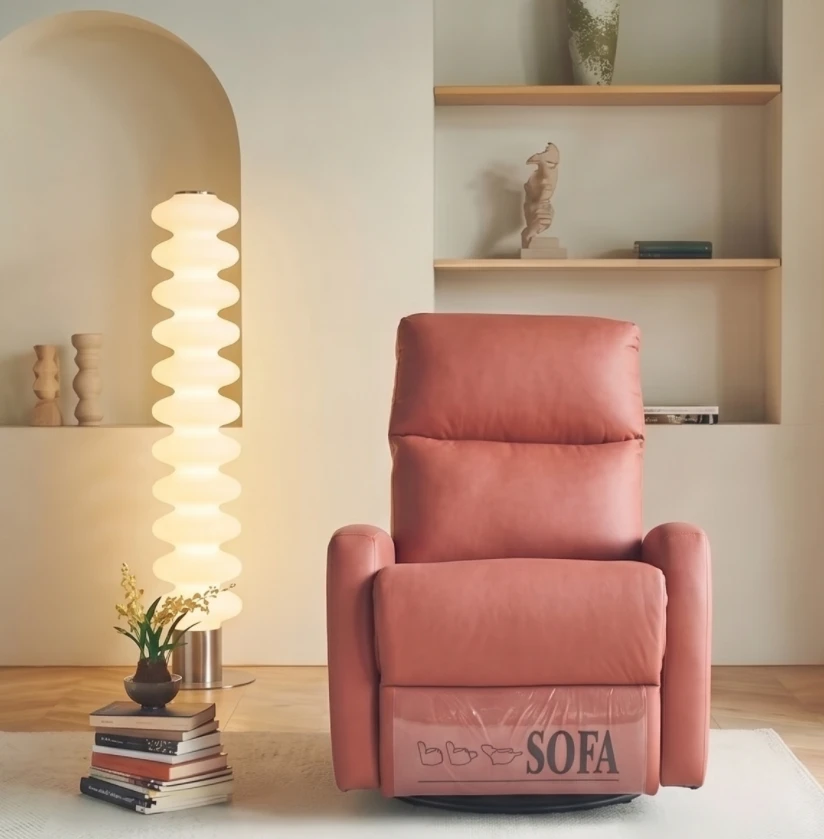
Swivel accent chairs are popular in suites, lounges, and reception areas because guests can turn toward conversation, windows, or a TV without moving the chair. For hotels, the swivel plate must be contract-grade with a steel ball-bearing mechanism and a tested load rating above the chair’s intended capacity. Return-to-center swivel bases improve visual order in lobbies because chairs face forward after use.
Buyer Checklist
- Ask for leg material, thickness, and attachment drawings
- Check whether legs are replaceable after installation
- Specify floor glides by floor type: carpet, tile, stone, or wood
- Confirm static load and side-load testing
- Request spare legs or glides with the bulk shipment
Explore Baotian accent chairs with customizable leg materials, finishes, and commercial base options.