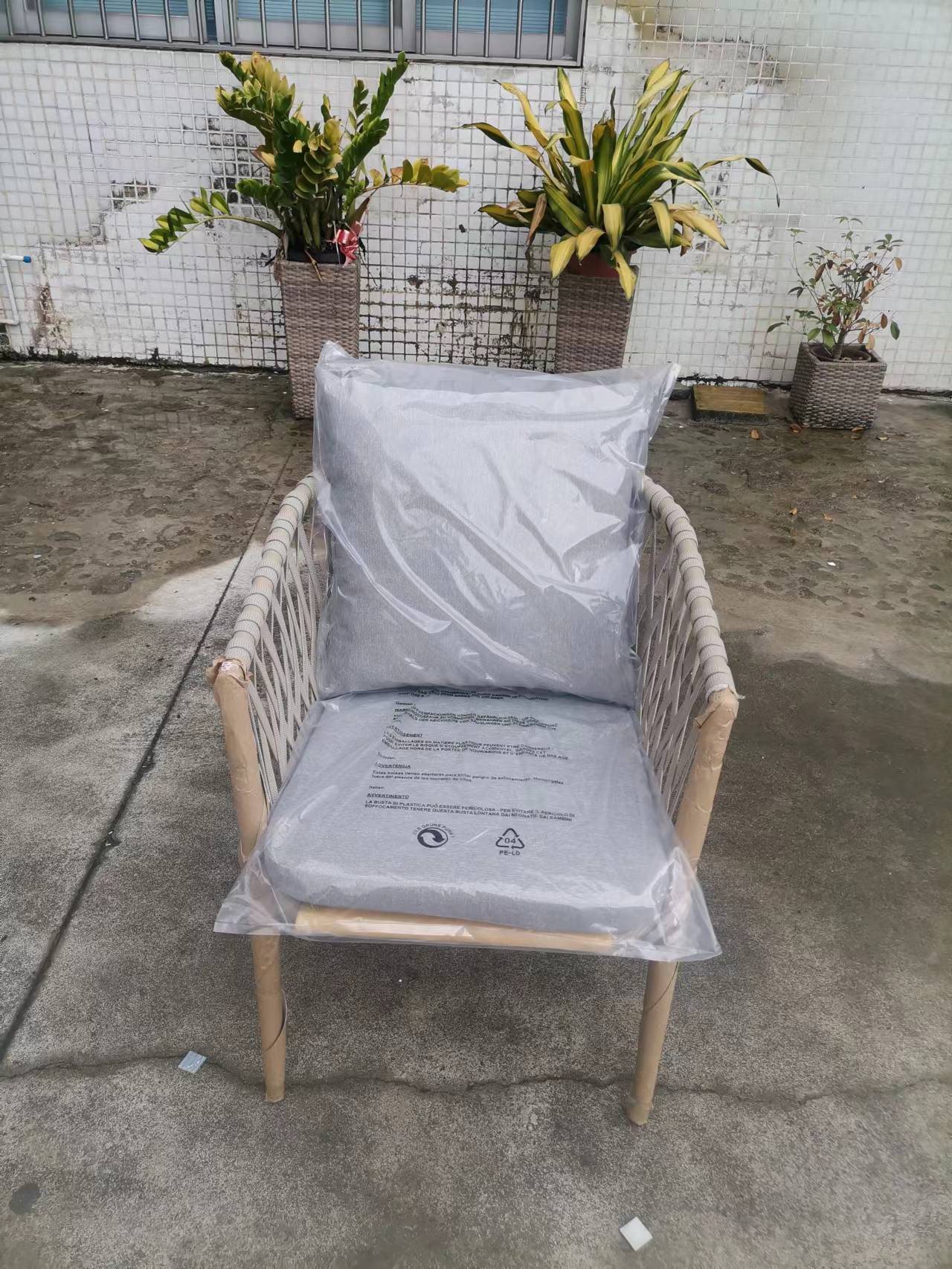
A spare-parts plan gives hotel operations teams a practical way to keep furniture in service after handover. It should focus on components that can wear, get lost or suffer site damage, while preserving the approved visual and functional standard of the original project.
Identify replaceable components during engineering
Ask the manufacturer to identify hardware, glides, legs, mechanisms, fasteners, touch-up materials, loose cushions and upholstery components that can be replaced without changing the complete item.
Match spares to item codes and finishes
Every spare should be linked to the relevant furniture code, drawing revision, finish or fabric reference and installation instruction. A generic description such as “chair leg” is not enough when several models are in use.
Plan storage and reorder information
Keep spares dry, labeled and accessible to the maintenance team. Record the supplier contact, part number, minimum order assumptions and any lead-time considerations for future replacements.
Project Checklist
- Item code and drawing revision linked to each part
- Hardware, glide, leg and fastener needs reviewed
- Mechanism and moving-part replacement options identified
- Fabric, leather or finish repair materials defined
- Part number, finish code and photo recorded
- Installation tool or instruction included where needed
- Recommended initial quantities agreed
- Storage location and maintenance owner assigned
- Supplier reorder contact and expected lead-time information filed
Frequently Asked Questions
Should every furniture item have spare parts?
Prioritize components with a realistic replacement need, especially moving hardware, glides, loose components and finish repair materials.
Can upholstery be kept as a spare?
Yes, where the buyer can store and identify it correctly. Record the fabric code, batch information where relevant and the intended repair use.
Experience and Verification Note
This planning guide is intended for hotel owners, procurement teams and designers preparing a commercial furniture project. Requirements vary by product, destination and contract. Confirm final drawings, test scope, material approvals, quantities, delivery terms and local compliance requirements in the project documentation before release to production. Review Baotian project case studies, the quality-control process and packing and container-loading guidance when building your project file.
For a specification review, send Baotian your room list, drawings, quantities, destination and target schedule.