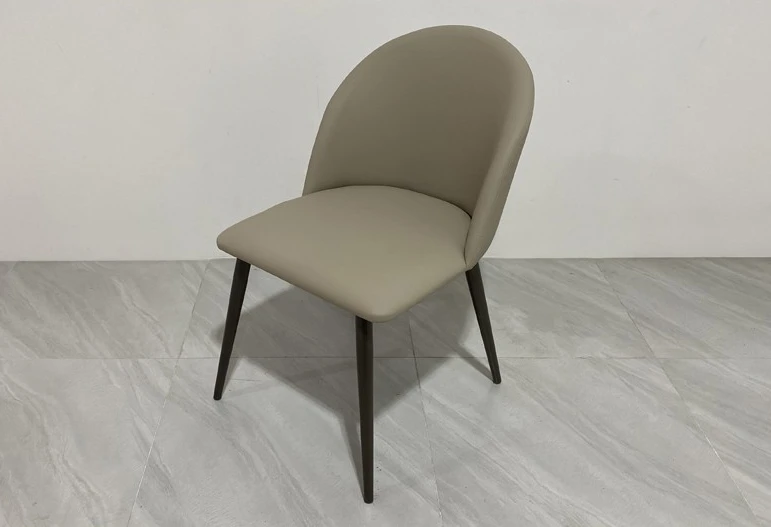
The Backrest Separates a Quick Meal From a Dining Experience
Restaurant owners often focus on seat comfort but overlook backrest height until guests complain or leave early. A dining chair with too low a back provides no upper-body support for a 90-minute dinner. A chair with too high a back blocks sightlines across the dining room and can overwhelm a small table. Restaurant dining chair back height and lumbar support directly influence how long guests stay, how much they spend, and whether they return.
Full-Back vs Mid-Back Dining Chairs
Full-back chairs extend to or above the guest’s shoulder blades (approximately 40—50cm backrest height above the seat). They provide complete upper-body support and are preferred for fine dining, tasting menus, and restaurants where the average table time exceeds 90 minutes. The trade-off: full-back chairs visually enclose the table and can make a small dining room feel smaller. They also block the view of other diners, which may be desired for private dining but less so for a lively brasserie.
Mid-back chairs (25—38cm backrest height) offer lumbar and lower-back support without enclosing the upper body. They keep sightlines open across the dining room and visually lighten the table setting. Mid-back chairs suit casual dining, cafés, and hotel breakfast areas where table times are shorter (30—60 minutes) and the atmosphere benefits from visual openness.
Lumbar Curve Design
The lumbar curve in a dining chair backrest should be subtle — a 1.5—3cm forward curve centred 15—20cm above the seat surface. Dining chair lumbar support is less pronounced than office chair lumbar support because guests shift position more frequently during a meal. A backrest that is too aggressively curved can feel uncomfortable when the guest leans forward to eat or talk. The ideal dining backrest provides gentle support when the guest leans back between courses and does not interfere when the guest sits forward.
Backrest Angle and Dining Posture
Dining chair backrests are more upright than lounge chair backrests, typically at 95—100 degrees from the seat. This keeps the guest close to the table for eating while providing light back contact. Chairs that recline too far encourage the guest to lean back and push the plate away — counterproductive for restaurant dining. A very slight backward angle (3—5 degrees from vertical) is enough to feel supportive without pulling the guest away from the table.
Selection by Restaurant Format
- Fine dining and tasting menus: full-back chair with gentle lumbar curve, 95—100° recline
- Casual dining and café: mid-back chair, open sightlines, lighter visual weight
- Hotel breakfast and all-day dining: mid to full-back depending on average guest stay time
- Banquet and event: mid-back stacking chair with consistent lumbar shape across all units
- Always sit-test the chair with the actual table height planned for the venue
Explore Baotian dining chairs with backrest height and lumbar support options by restaurant format.
Related Furniture Procurement Resources
Use these resources to turn the article topic into a clear product specification, supplier review or project quotation.