Hotel Mattress and Bed Frame Fit: An Approval Sheet for Buyers

Match a hotel mattress to its bed frame using finished dimensions, support requirements and sample approval. Includes a fit record for cross-supplier orders.
Hotel Mattress Buying Guides & Specifications
Hotel mattress selection affects guest satisfaction, housekeeping, replacement planning, and long-term operating costs. Procurement teams need to consider more than firmness or appearance: support systems, comfort layers, fire-safety requirements, regional sizing, edge support, durability, packaging, and expected replacement cycles all influence the final specification.
This category provides practical hotel mattress buying guides for hospitality projects. Read about foam, latex, gel, innerspring and pocket-spring constructions; firmness by guest profile; comfort-layer design; fire-safety considerations; mattress rotation and replacement; and the questions to ask before approving an OEM sample.
These articles are designed to help hotel owners, purchasing teams, designers, and project managers translate guest-comfort goals into clear, measurable product requirements. Use them when comparing samples, planning room standards across regions, or preparing an RFQ for a renovation or new-build project.
For custom supply options, browse Baotian’s OEM/ODM hotel mattress collection. Product specifications can be developed around target comfort, dimensions, cover materials, compliance needs, packaging, and project quantities.
Match a hotel mattress to its bed frame using finished dimensions, support requirements and sample approval. Includes a fit record for cross-supplier orders.
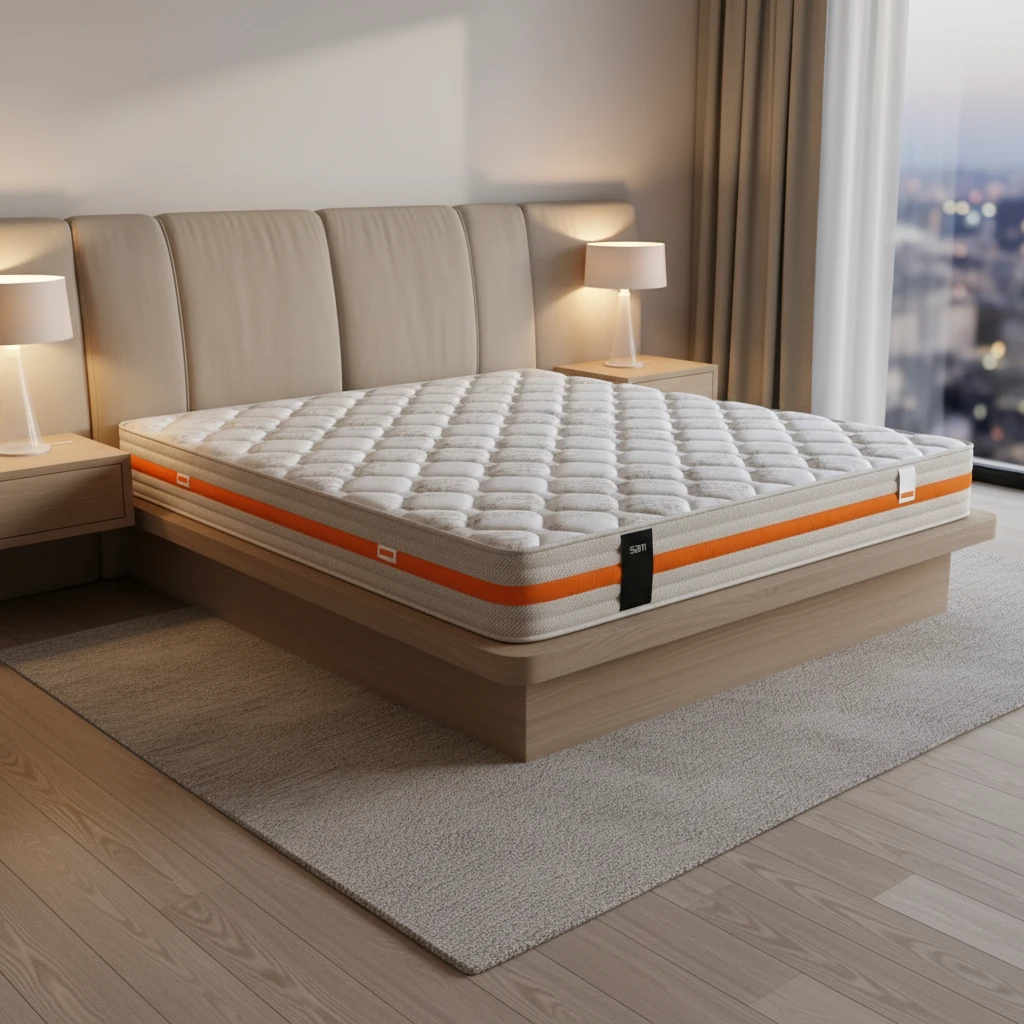
Understand the difference in planning scope for BS 7176 furniture and BS 7177 mattress requirements, and how to request evidence for an approved final construction.
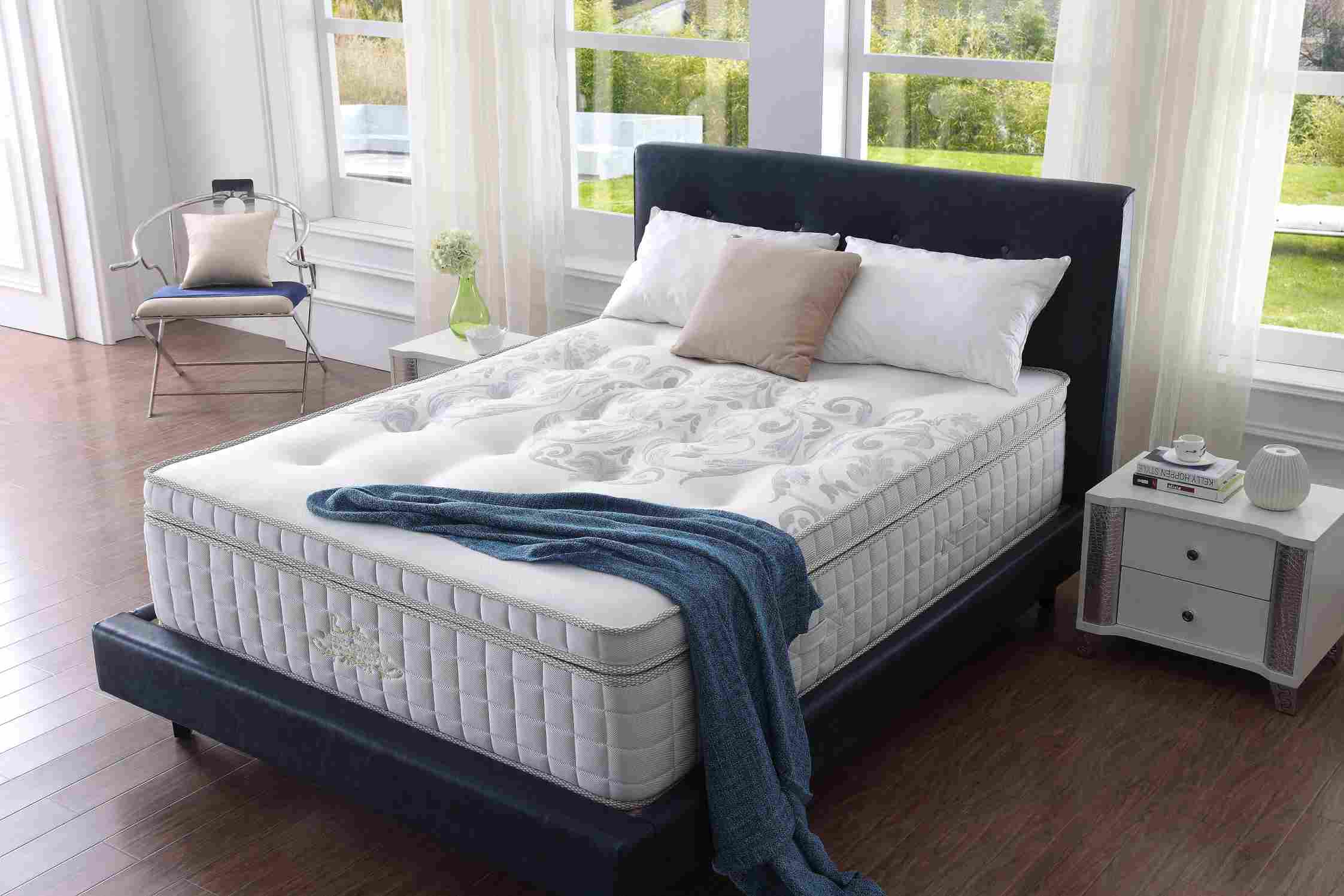
Read this practical guide from Baotian Furniture: Hotel Mattress Rotation Program: Housekeeping Records That Extend Serviceability.
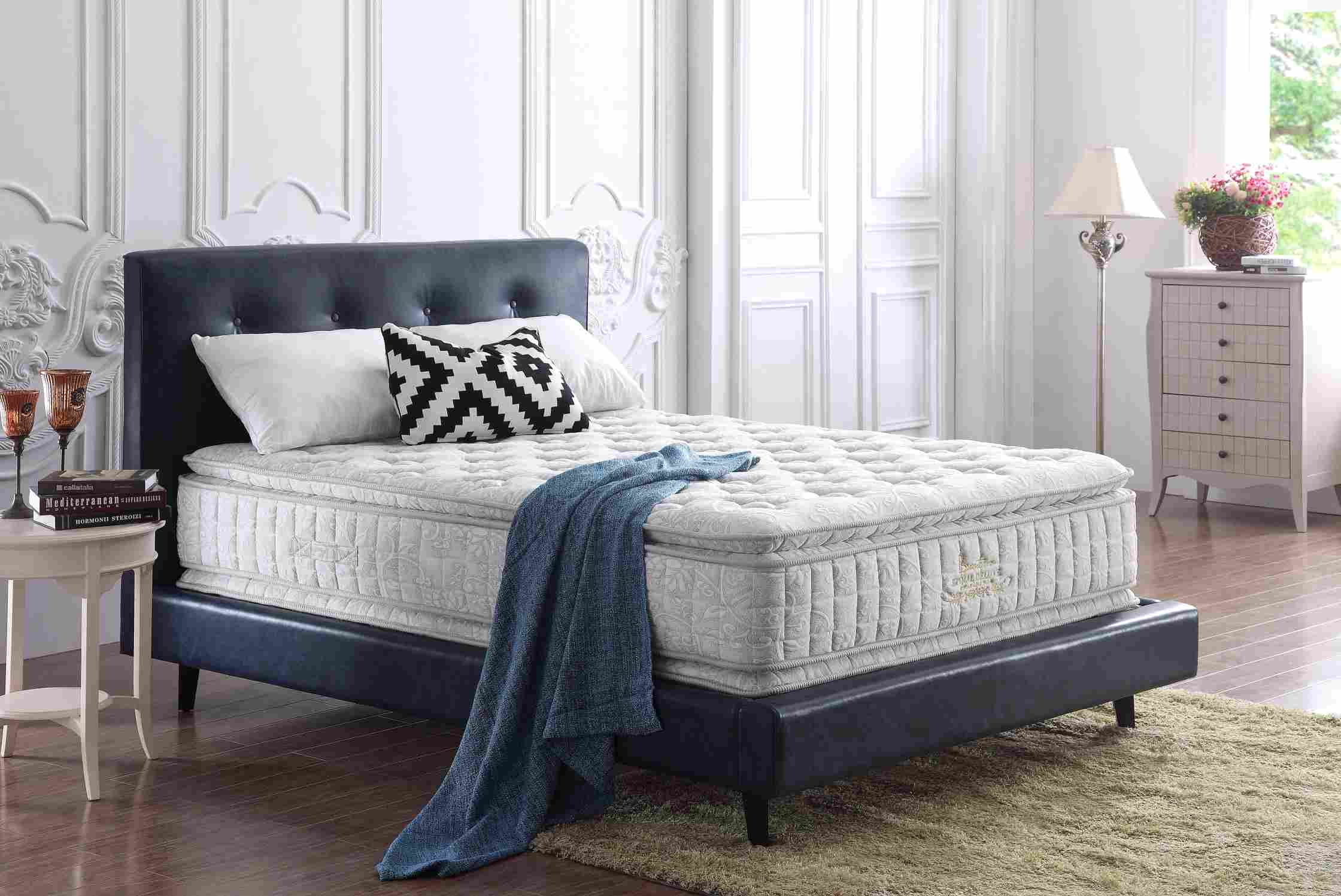
Read this practical guide from Baotian Furniture: Hotel Mattress Comfort Testing: A Buyer’s Method for Repeatable Sample Approval.
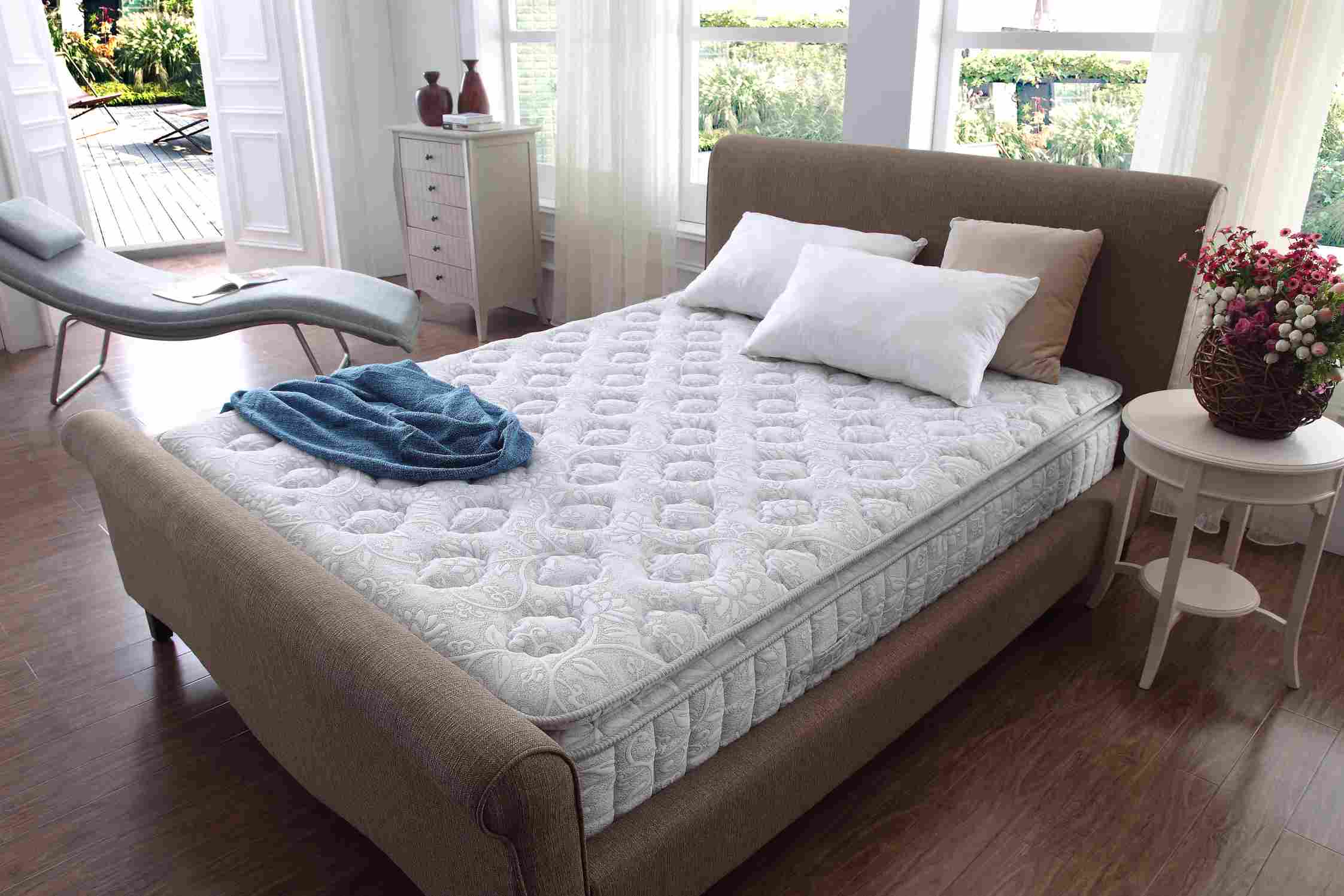
What hotel buyers should define before asking a mattress supplier to sample or quote a contract mattress program.
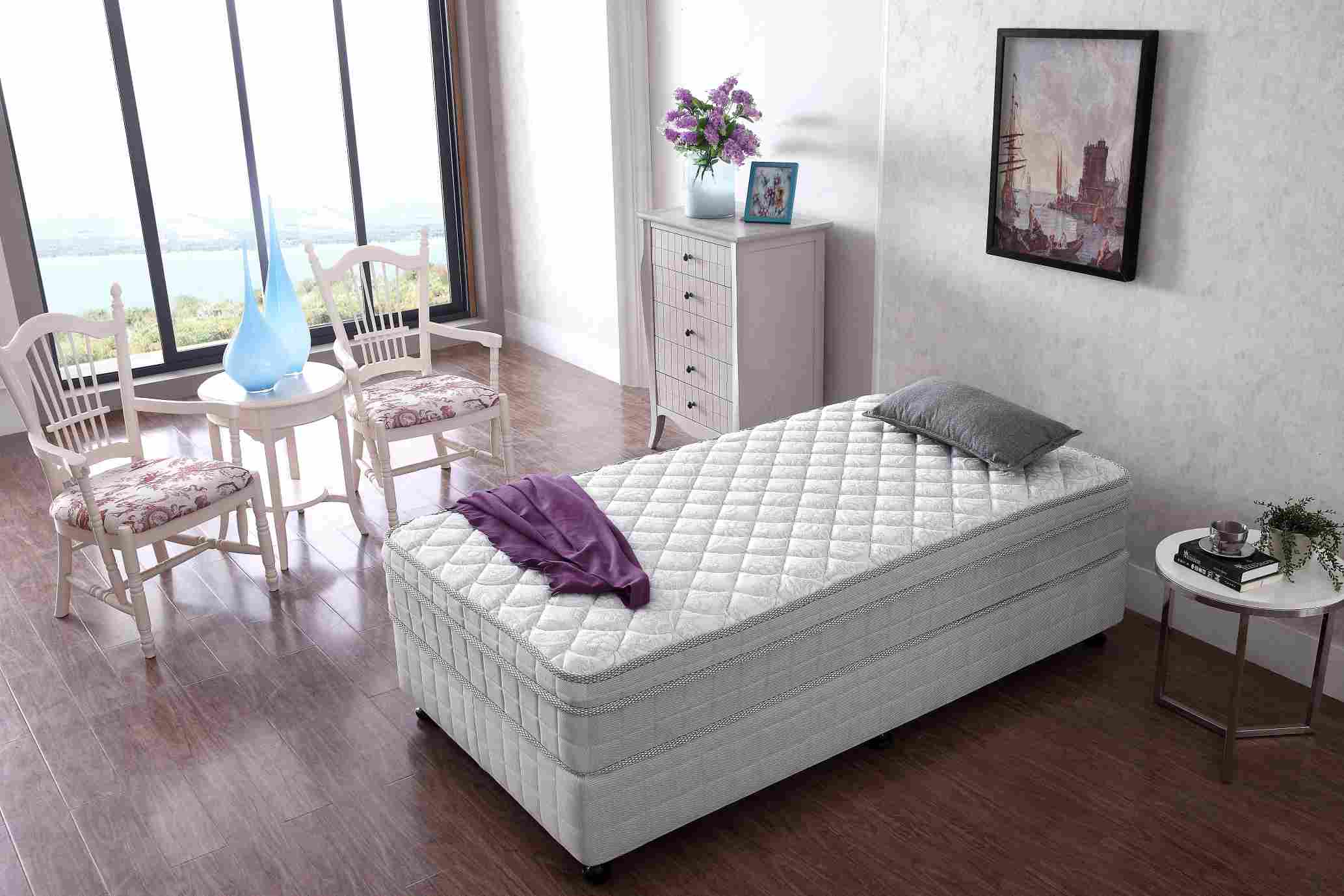
How hotel buyers should specify mattress construction, firmness, dimensions, cover fabrics, fire documentation, sampling, packing and replacement planning with an OEM supplier.
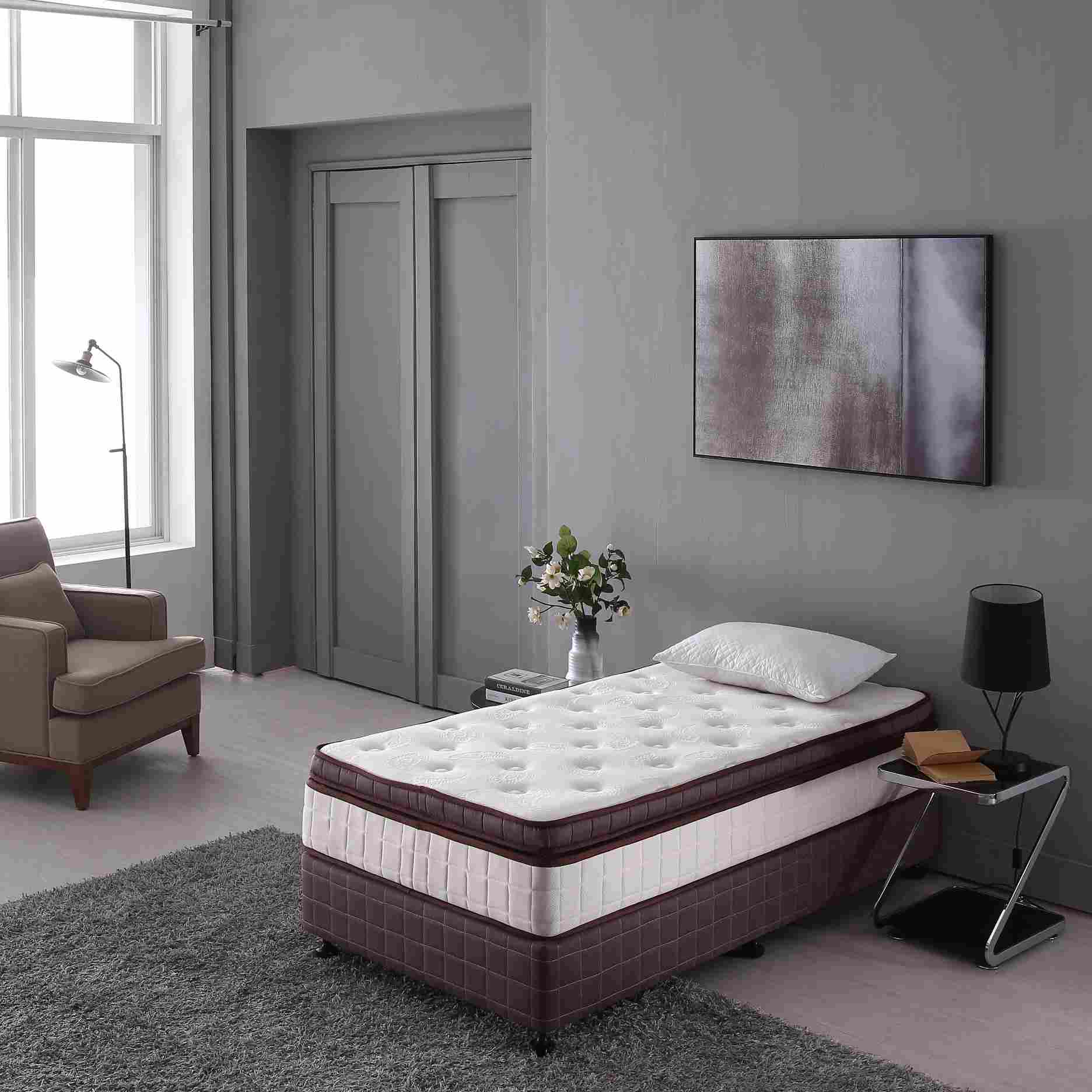
A Hot Mattress Generates More Complaints Than a Firm One Temperature is the most common sleep complaint in hotels after noise and firmness. Guests in warm climates, hotels without individual room climate control, and properties with heavy bedding all report that the mattress “sleeps hot.” For procurement, hotel mattress cooling and breathability should be designed … Read more

Two Guests, One Mattress, Zero Complaints When two guests share a hotel bed, one partner turning over should not wake the other. When a guest sits on the edge to put on shoes, the mattress should not collapse. These are edge support and motion isolation problems, and they are among the most common bed-related complaints … Read more

Firmness Is a Procurement Decision, Not a Personal Preference Every guest has a different sleep preference, but hotel buyers must choose one mattress specification that satisfies the widest range of people. That is why most successful hotel mattress programs target medium-firm comfort: supportive enough for back and stomach sleepers, cushioned enough for side sleepers, and … Read more
A Sagging Mattress Costs More Than a Replacement Guest satisfaction surveys from J.D. Power and Gallup consistently rank mattress comfort among the top three drivers of hotel ratings — alongside cleanliness and noise. A mattress that has exceeded its service life generates negative reviews that take 40+ positive reviews to offset in aggregate rating. The … Read more